Free Speech Reading List
Books about Free Speech
The landscape of free expression is intricate and fiercely debated. From the philosophical foundations of the First Amendment to contemporary battles over censorship, viewpoint diversity, and academic freedom, understanding these dynamics is crucial for preserving open inquiry. Whether you are navigating campus culture wars or exploring the global history of human rights, this curated reading list offers diverse, authoritative perspectives to deepen your exploration of our most indispensable right.
MIT Free Speech Alliance is a participant in the Amazon Services LLC Associates Program. As an Amazon Associate, MFSA earns from qualifying purchases.
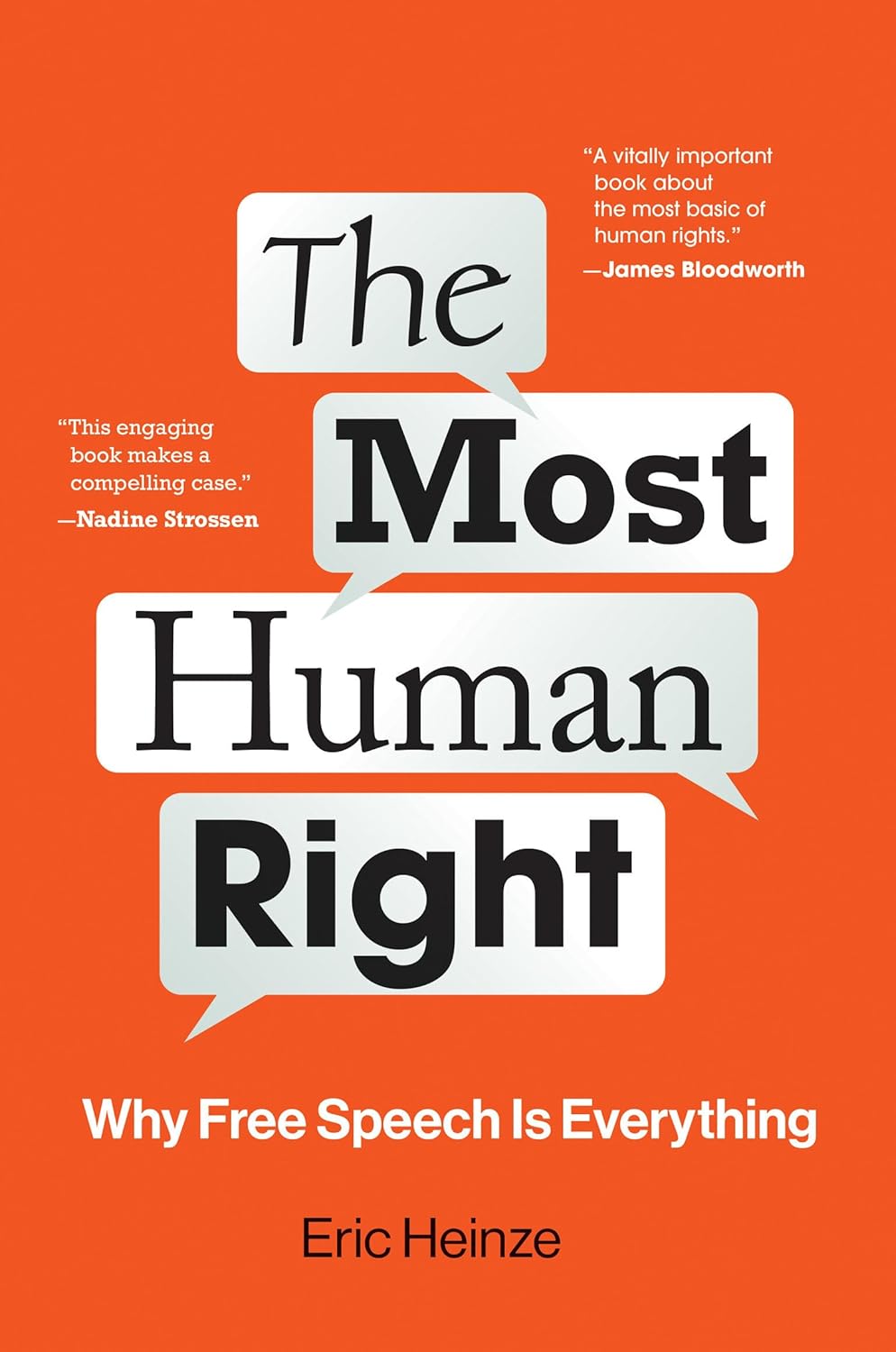
The Most Human Right: Why Free Speech Is Everything
Heinze presents a provocative new theory: free speech is the "ur-right"—the sole right that allows us to demand and defend all others. A bold inquiry into why the ability to speak is the essence of being human.
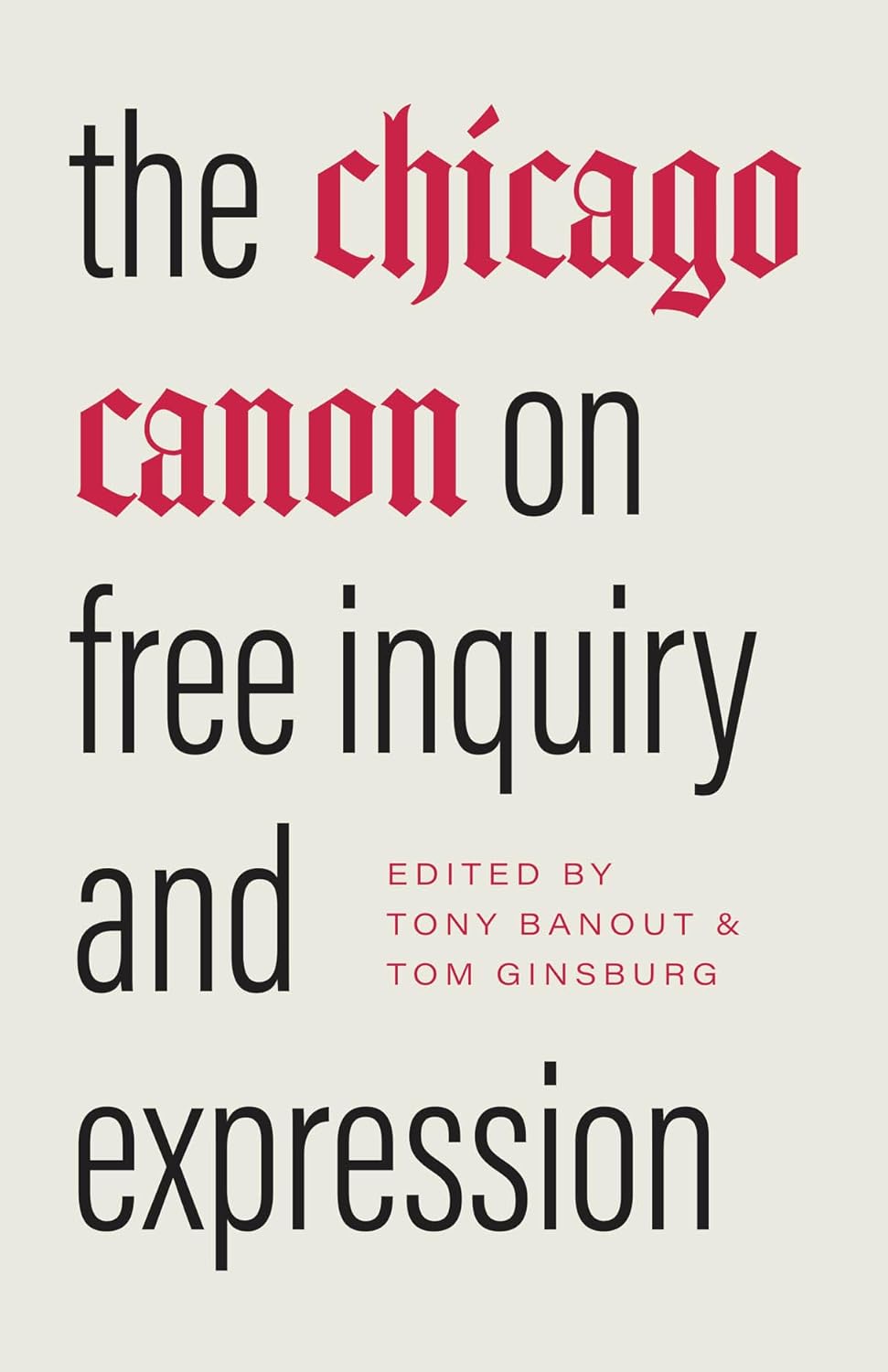
The Chicago Canon on Free Inquiry and Expression
A collection of texts that provide the foundation for the University of Chicago's longstanding tradition of free expression—the "Gold Standard" for academic freedom.
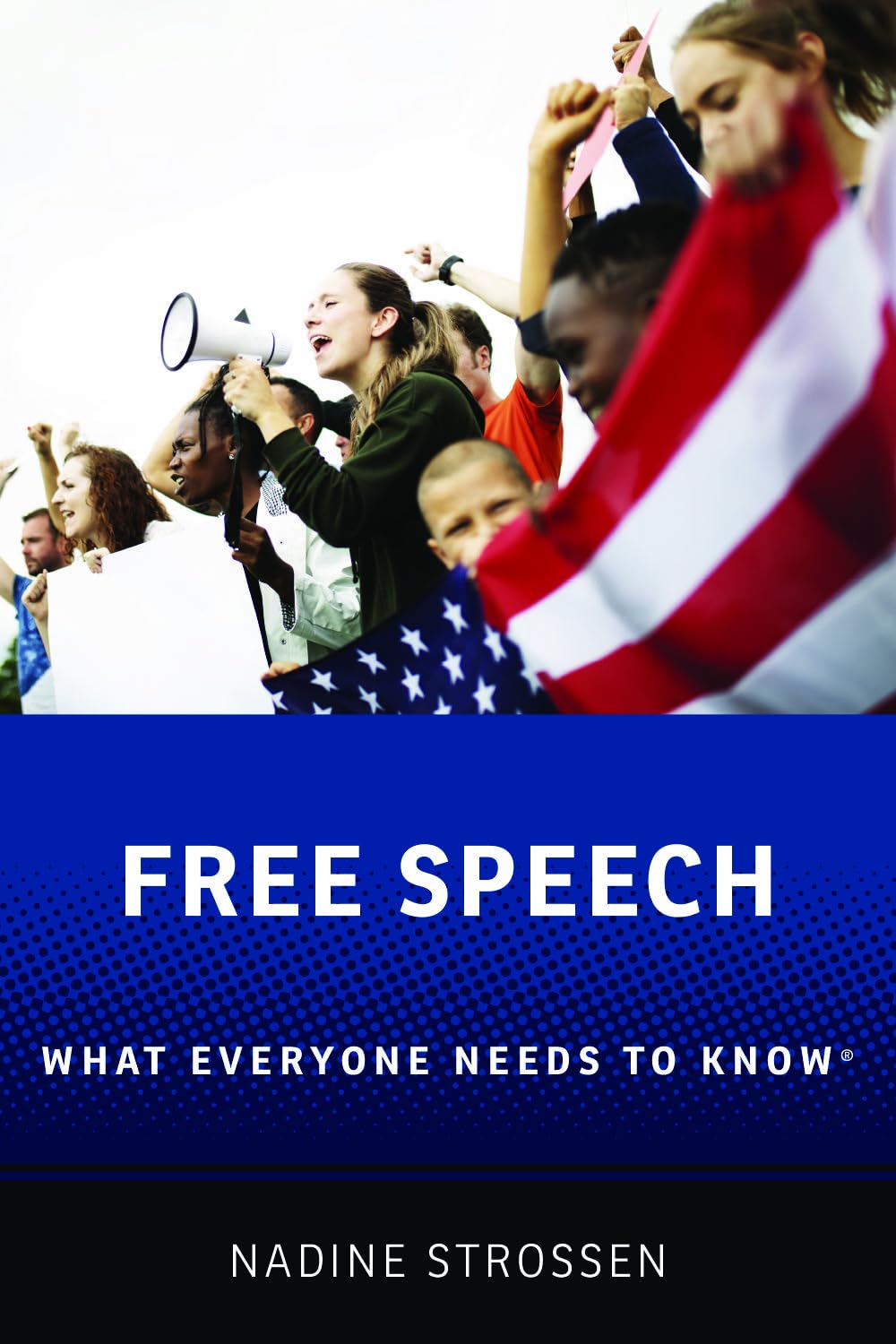
Free Speech: What Everyone Needs to Know
The former ACLU President dismantles arguments for censorship, proving that the strongest weapon against hate speech and disinformation is not silence, but "more speech."
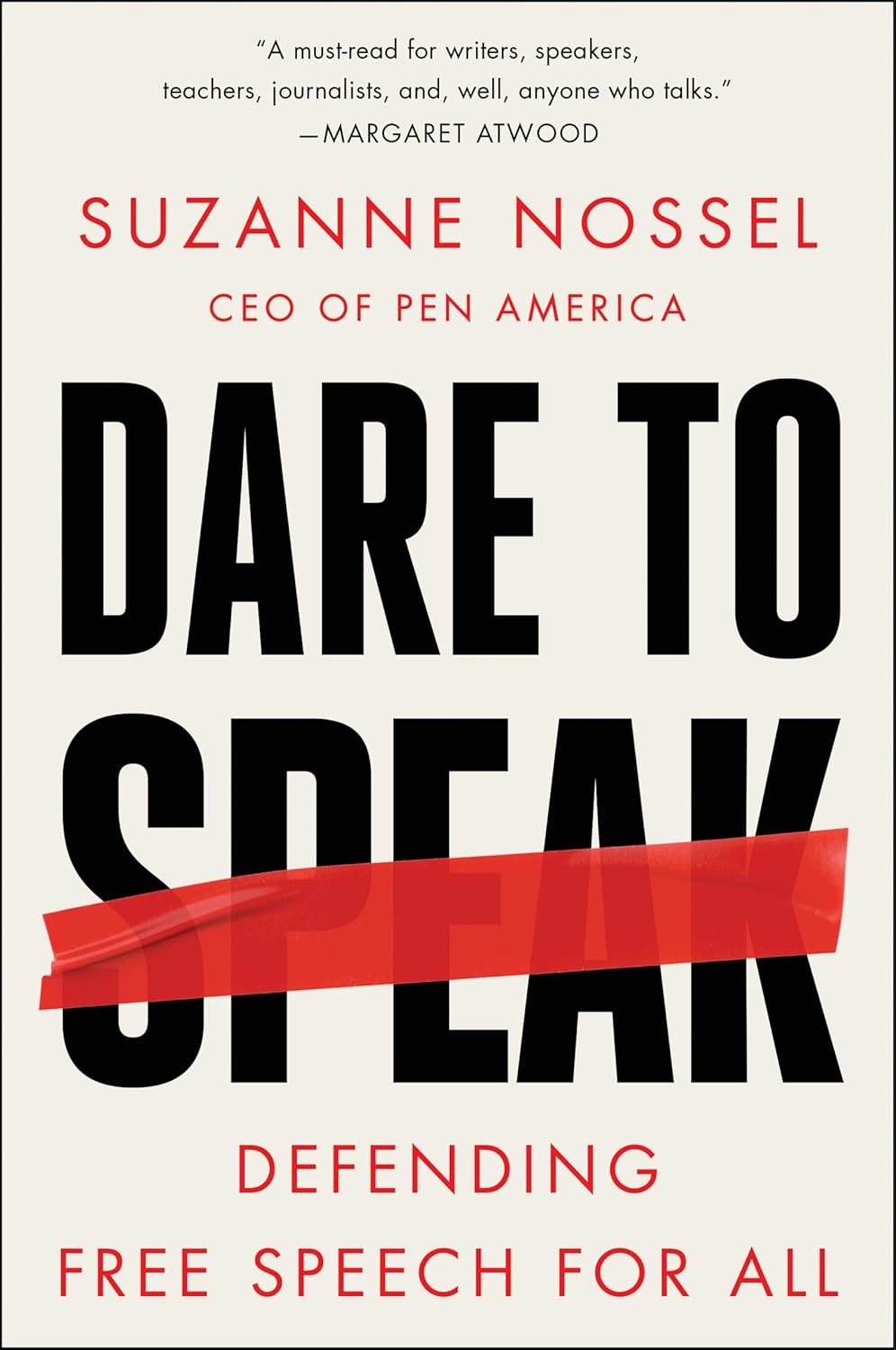
Dare to Speak: Defending Free Speech for All
The CEO of PEN America offers a vital guide for navigating culture wars, arguing for a culture that is both diverse and free-wheeling without sacrificing respect.
Free Speech: A Global History
A riveting history revealing how the free exchange of ideas underlies all intellectual achievement, from the Athenian agora to the digital age.
Speak Freely: Why Universities Must Defend Free Speech
Whittington argues that vigorous free speech is the "lifeblood" of the university, without which higher education cannot fulfill its basic purpose of truth-seeking.
Hate: Why We Should Resist It with Free Speech, Not Censorship
Strossen argues that "counterspeech" and resilience are the only effective ways to combat bigotry, while censorship often backfires.
Campus Free Speech: A Pocket Guide
A concise, practical manual for resolving free-speech dilemmas, serving as an operational guide for administrators and students.
Free Speech 101: A Practical Guide for Students
The first book specifically for students, explaining why free speech matters on campus and how to advocate for it in the classroom.
The Indispensable Right: Free Speech in an Age of Rage
Turley argues that free speech is the singular right that protects all others, and that we are living in an "age of rage" that threatens to dismantle it.
Campus Misinformation: The Real Threat to Free Speech
Vivian examines how politicians have manufactured the perception of a campus free speech crisis, arguing that this manufacturing itself poses a threat to academic freedom.
Liar in a Crowded Theater
A deep dive into "protected falsehoods." Kosseff explains why the courts are—and should remain—reluctant to become the government's arbiters of Truth.
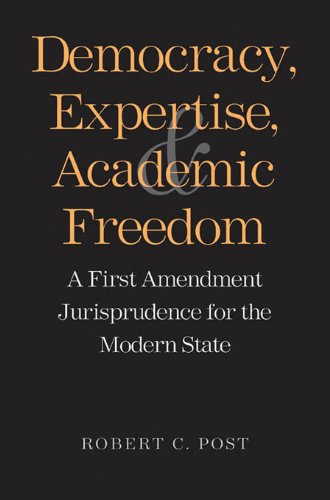
Democracy, Expertise, & Academic Freedom
Post analyzes the tension between the "marketplace of ideas" and the university's need for "Expertise." A crucial read on the difference between free speech and academic competence.
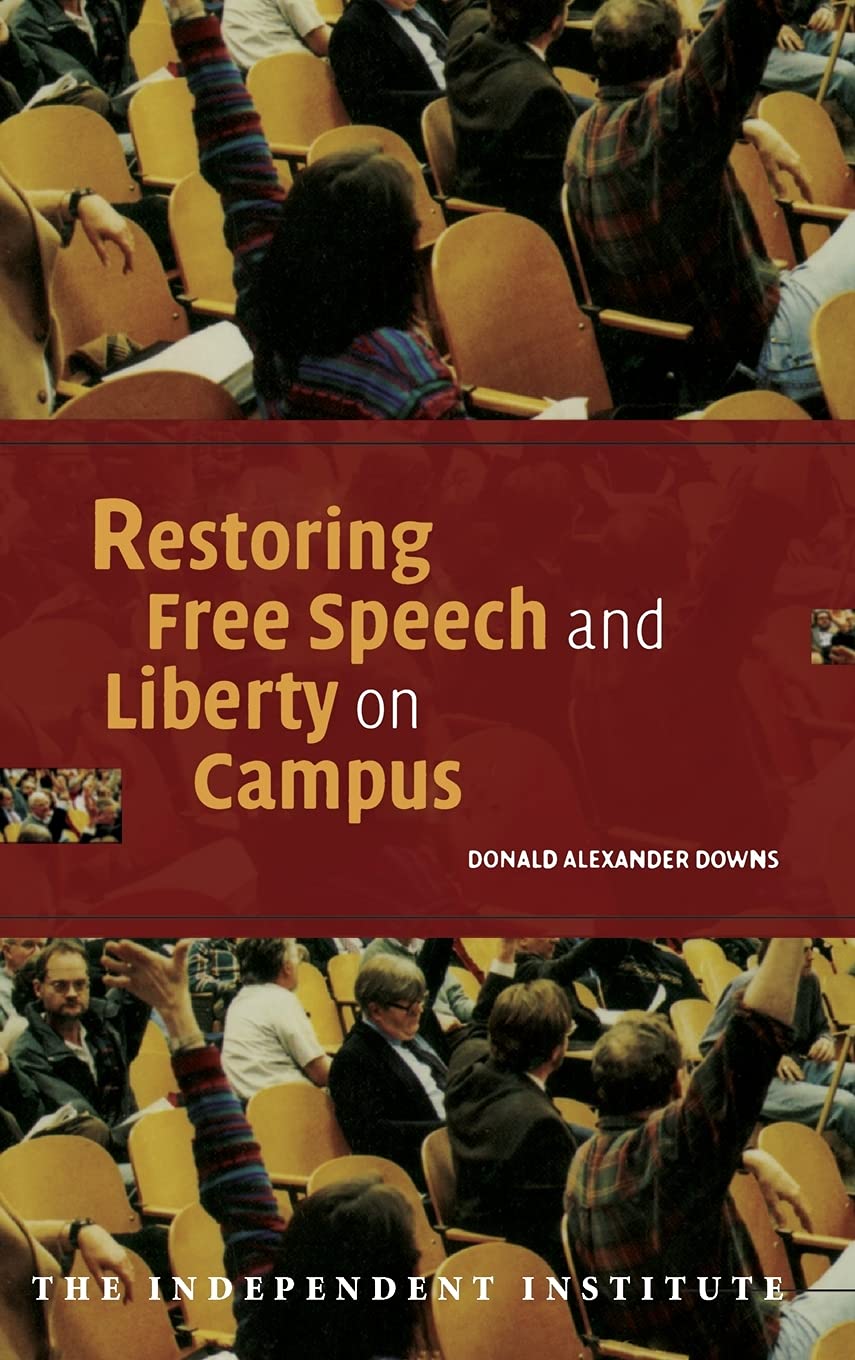
Restoring Free Speech and Liberty on Campus
Downs argues that a focus on "comfort" has led to intellectual conformity, and calls for a return to the university as a place of rigorous, often uncomfortable, debate.
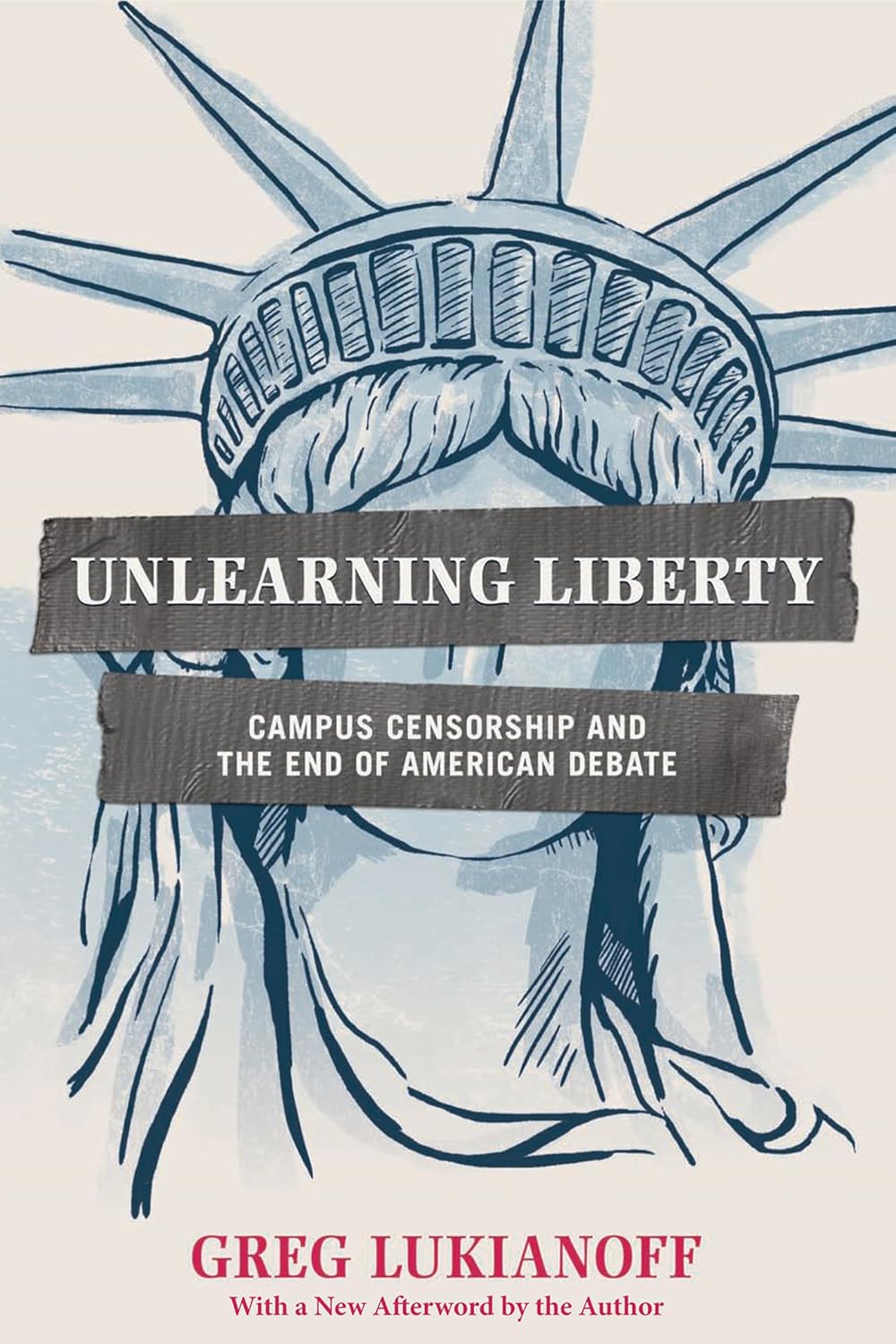
Unlearning Liberty
Lukianoff shows how higher education often fails to teach students the habits of a free mind, instead teaching them to seek authority to settle disputes.
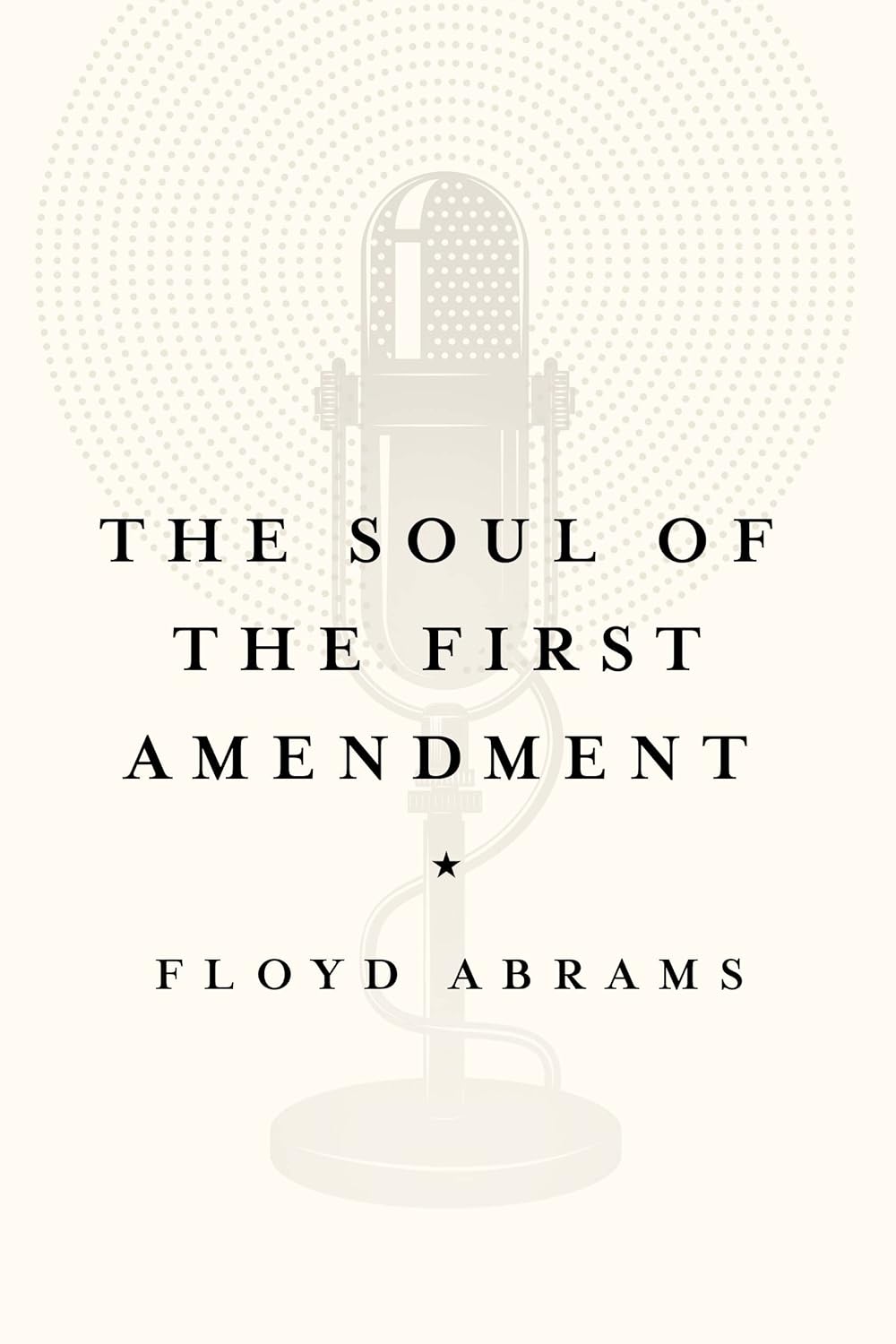
The Soul of the First Amendment
Legendary attorney Floyd Abrams defends the unique American approach to free speech—broader and more protective than anywhere else—and argues against retreating from it.
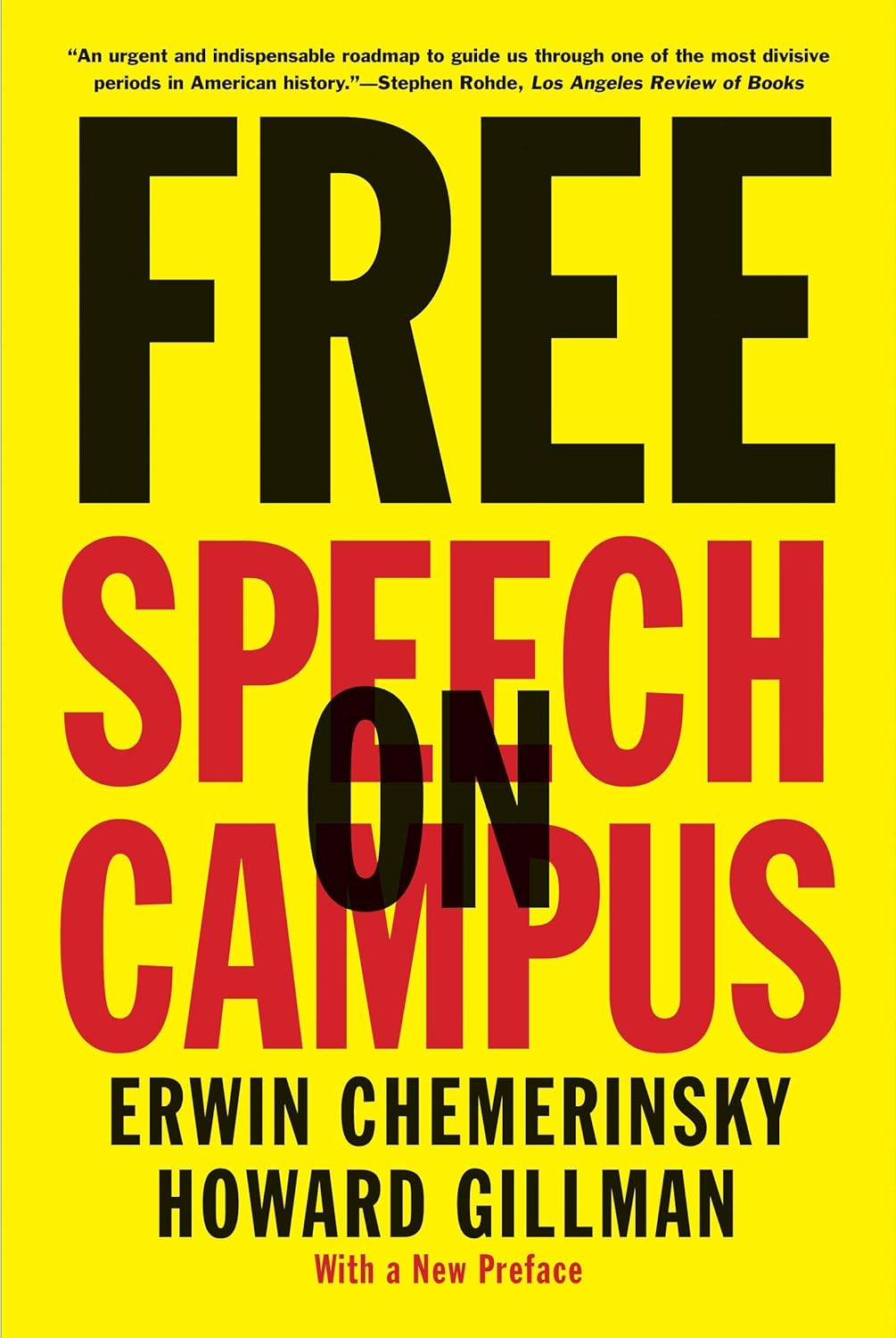
Free Speech on Campus
Two university leaders argue that campuses must be supportive environments for diverse students, but can never restrict the expression of ideas without betraying their mission.
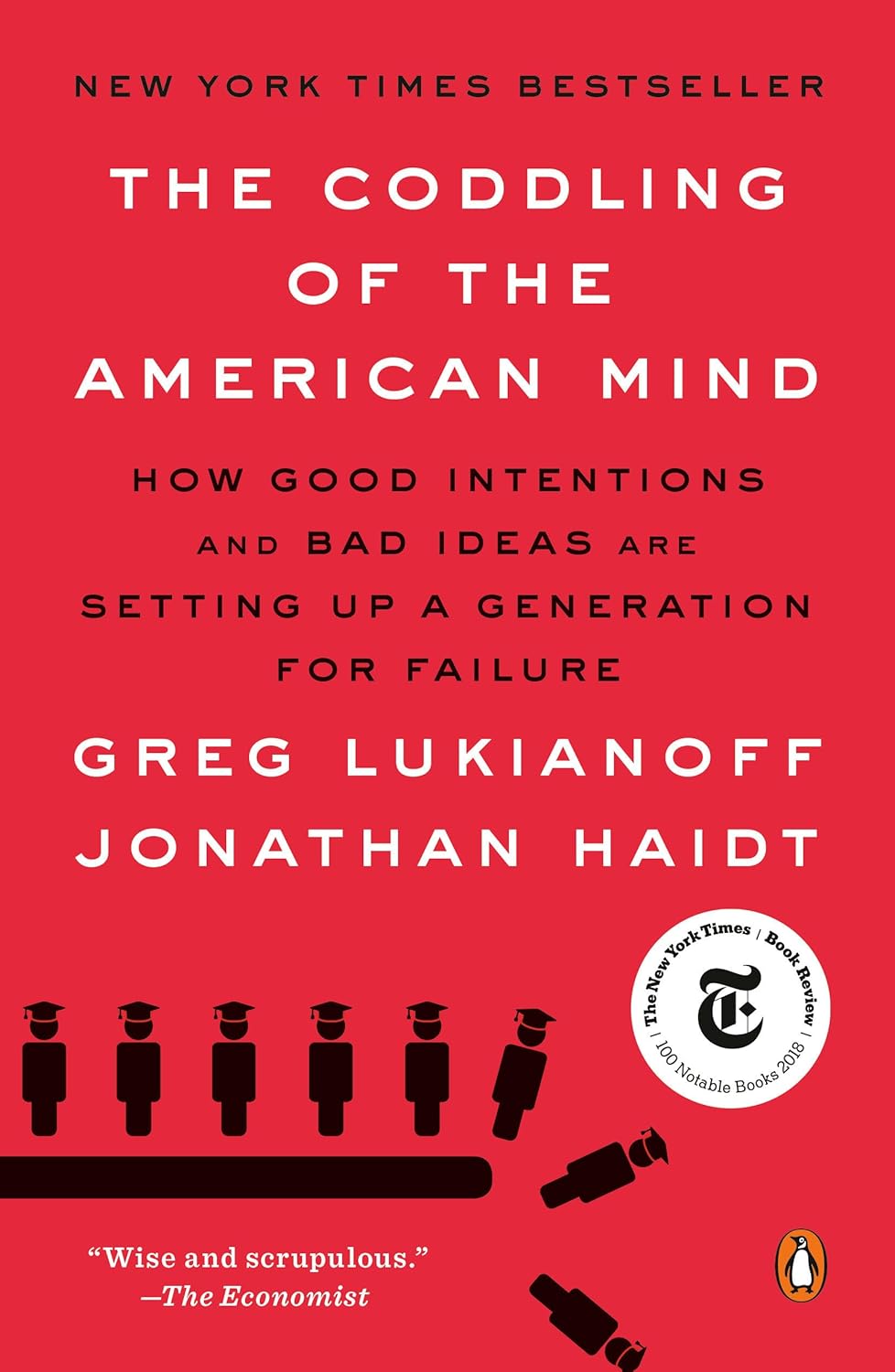
The Coddling of the American Mind
The seminal work on "Safetyism," exploring how over-parenting has led to a generation that equates words with violence.
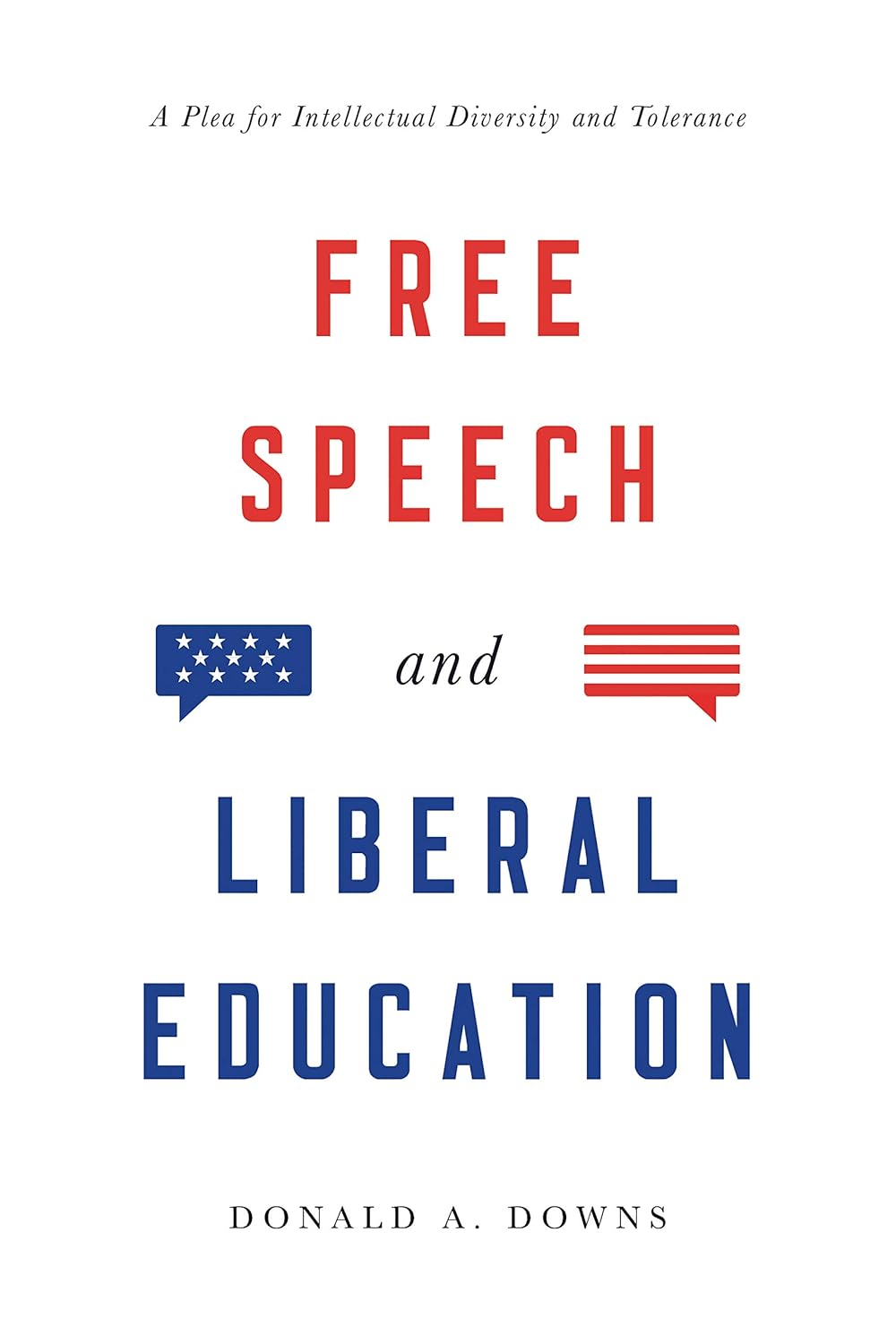
Free Speech and Liberal Education
Downs argues that true tolerance isn't about silencing offense, but about engaging with it. He frames free speech not as a political weapon, but as an educational necessity.
Understanding Academic Freedom
Reichman clearly defines "Academic Freedom," distinguishing it from general free speech and exploring the rights of faculty to research without political interference.
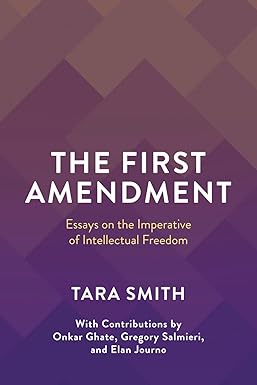
The First Amendment: Essays on Intellectual Freedom
Smith argues that the freedoms of the First Amendment are not just a list of rules, but are united by the crucial principle of "Intellectual Freedom."
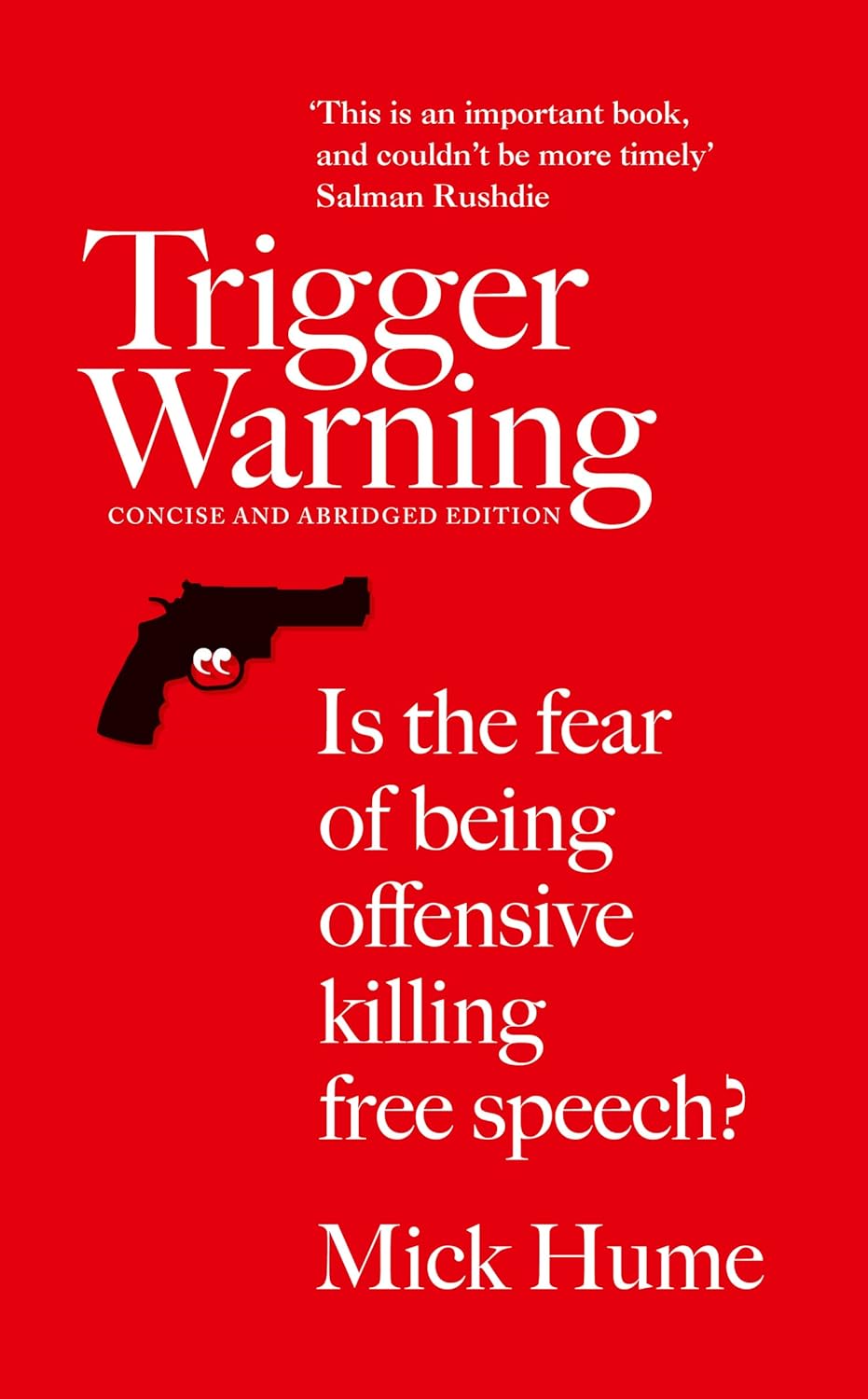
Trigger Warning
A blistering polemic from the UK. Hume presents an uncompromising defense of absolute freedom of expression against a creeping culture of conformism.
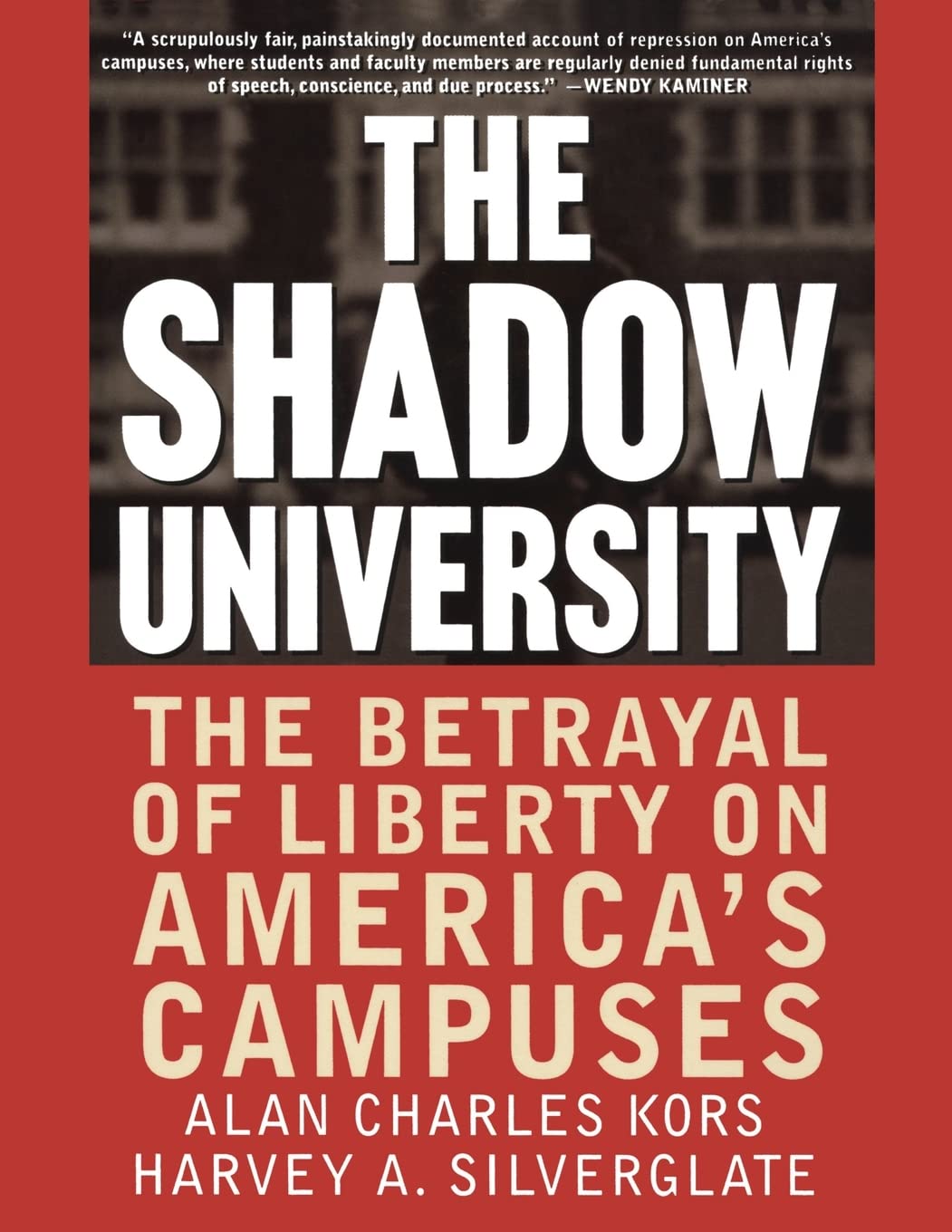
The Shadow University
The book that started the movement. Kors and Silverglate expose the "Shadow University"—a covert system of campus justice that coerces students into conformity.
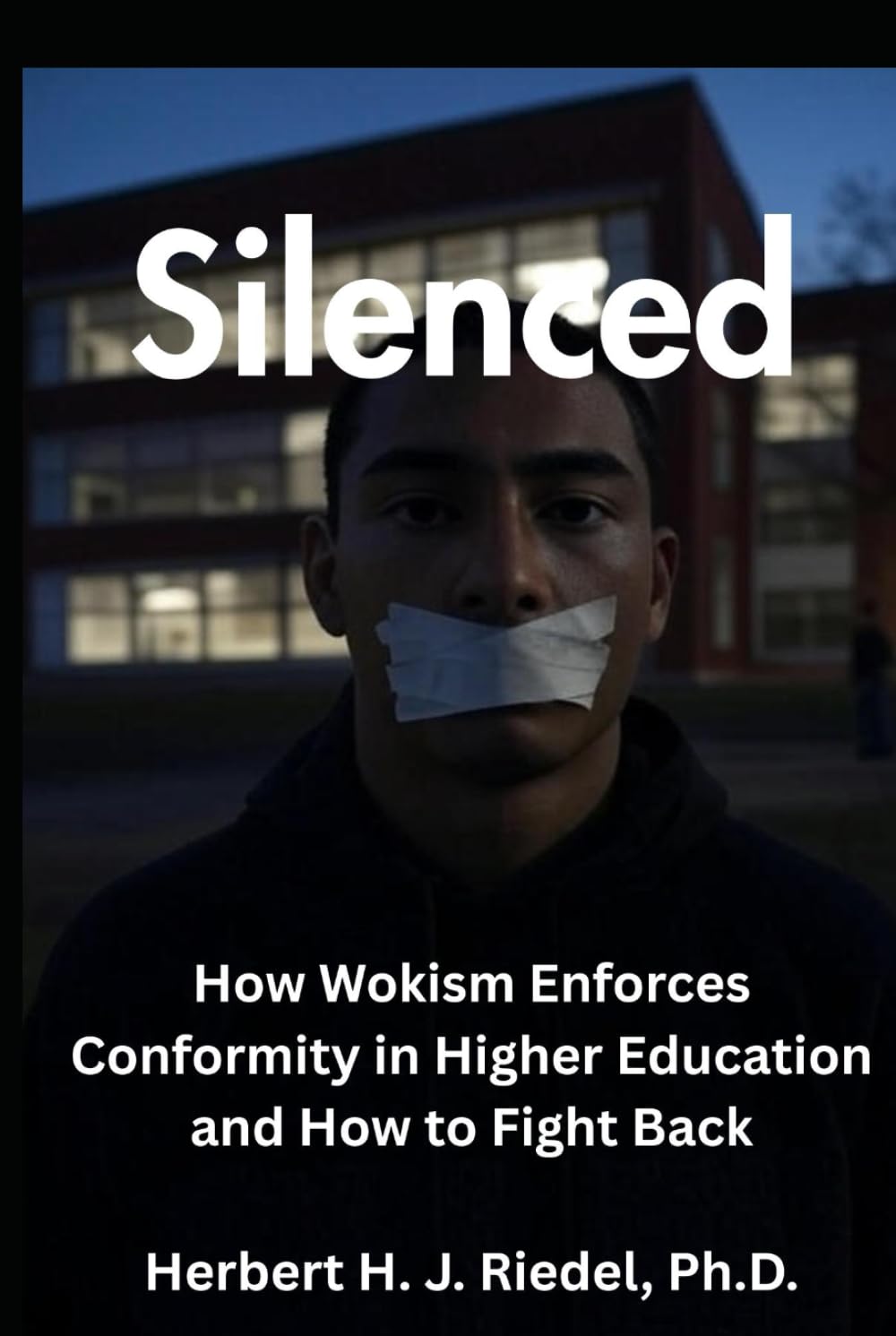
Silenced: How Wokism Enforces Conformity in Higher Education
Dr. Riedel, having served twice as a community college president, details his personal battle against ideological conformity. He analyzes how illiberal trends suppress dissent and offers a practical guide for reclaiming the university—a vision he is now channeling into founding Clymer College.
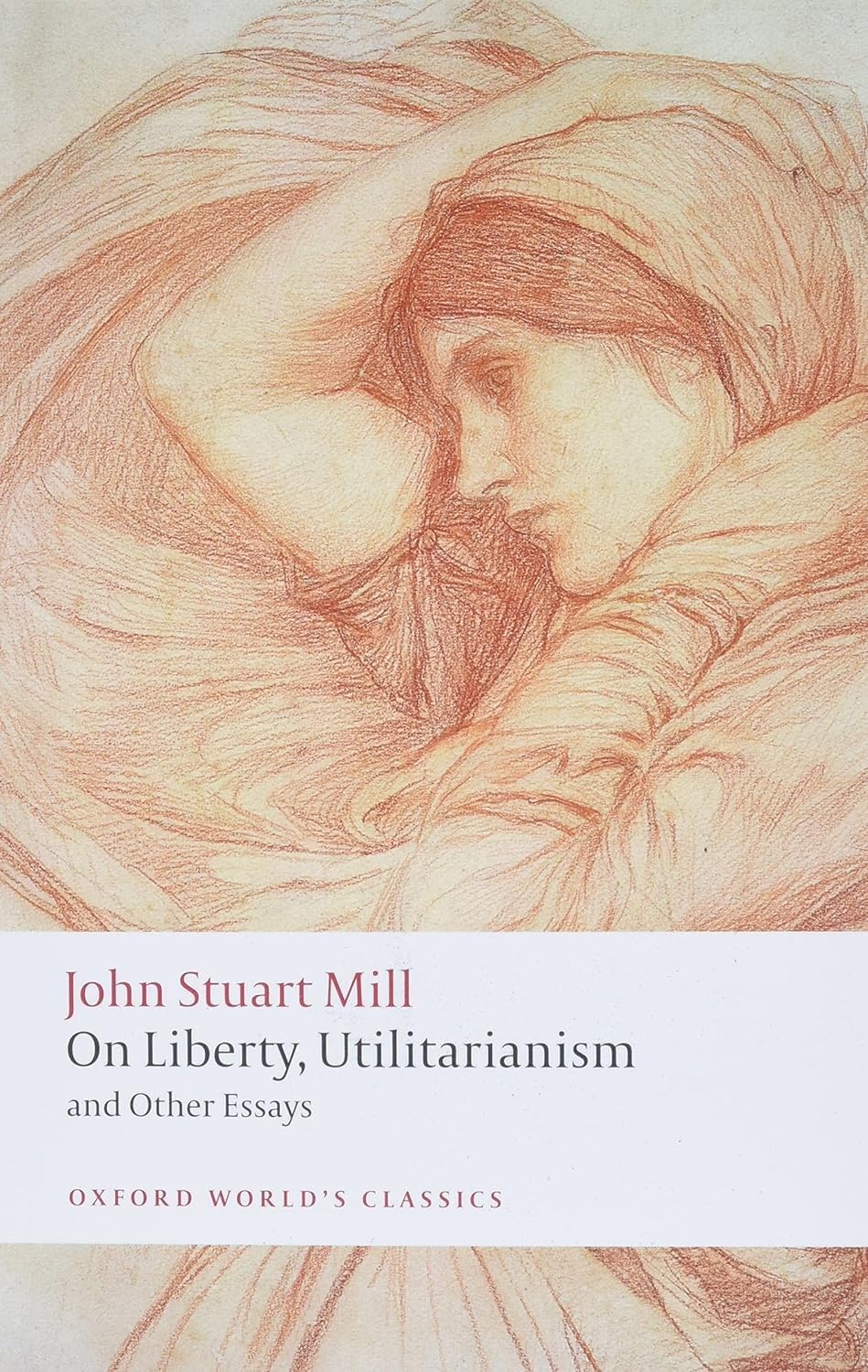
On Liberty, Utilitarianism and Other Essays
The definitive manifesto for individual freedom, arguing that the unrestricted collision of ideas—however unpopular—is the essential engine of human progress and the only safeguard against the tyranny of the majority.
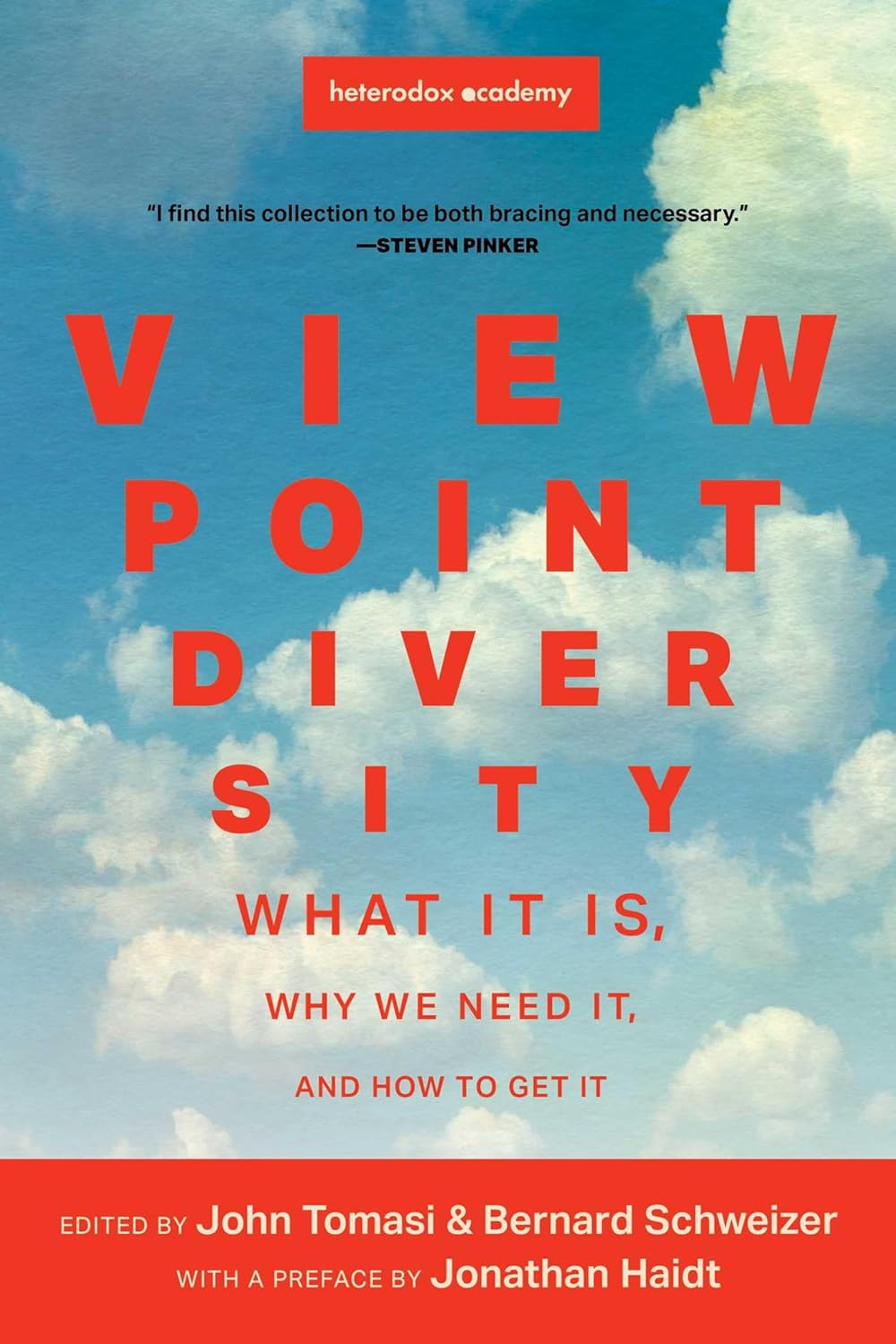
Viewpoint Diversity: What It Is, Why We Need It, and How to Get It
A vital exploration of why cognitive diversity is essential for the health of democratic institutions and higher education. Featuring a preface by Jonathan Haidt, this volume offers practical strategies for restoring a culture of open inquiry.